Wir sind noch immer in Lappland unterwegs, welches sich über Norwegen, Schweden, Finnland und der russischen Kola-Halbinsel ausdehnt.
Wir fahren von Norwegen nach Schweden, von Schweden nach Finnland, von Finnland wieder nach Norwegen und das alles innerhalb drei Tagen. Hier im Norden der drei Länder verlaufen die Grenzlinien richtiggehend im Zickzack, so dass wir oft gar nicht mehr wissen wo wir gerade sind.

... Samenfrau
Nur an den größeren Straßen findet man Schilder mit der Aufschrift „Staatsgrenze“. Schlagbäume mit Grenzkontrollen gibt es hier schon lange nicht mehr. Das Fahren nach Straßenkarten haben wir auch schon längst aufgegeben. Die Ortsschilder sind zweisprachig ausgeschildert (samisch und norwegisch/ schwedisch oder finnisch) und in den Stra?enkarten steht dann meist eine dritte Variante. Wir fahren an kleinen Ansammlungen von Hätten und Holzhäusern vorbei. Die Bezeichnung „Dörfer“ wäre etwas übertrieben. Meist tragen sie für uns so exotisch klingende Namen wie Aissaroaivi oder Beaivvasgieddi.

... bei Aissaroaivi
Von jetzt an haben wir allen Respekt für die Menschen welche hier umringt von hunderten Kilometern Wäldern leben. Seit einer Woche sind wir wieder mitten in diesen „Wäldern“ zurück. Zuerst dachten wir noch: Oh wie wunderschön und tausend Plätze um wild zu campen. Kein Mensch weit und breit. Kein Wunder, denn bei der Größe des Landes verschwinden auch die paar tausend Touristen ohne Probleme in dieser Wildnis. Wir suchen uns ein schönes lauschiges Plätzchen aber fünf Minuten spÄter machen wir uns in Windeseile wieder auf die Socken. Was ist passiert? Ich bin beim Pinkeln. Sorry, gehe sonst nicht so ins Detail, aber hier ist es wichtig und während dieser paar Sekunden stechen mich drei Mücken am Allerwertesten und ein Dutzend anderer versuchen in meinem Gesicht zu landen. So was hab ich noch nicht erlebt. Ich kann mich noch nicht mal erinnern, dass es in Thailand so schlimm war, bis auf die Abende, aber doch nicht am helllichten Tag!! Jetzt weiß ich was man meint, wenn man sagt, das Landesinnere von Skandinavien gehört einer blutsaugenden Bestie. Trotz allem müssen wir uns einen anderen Platz in diesem „Wald“ suchen, denn bis zur Küste sind es noch ein paar hundert Kilometer. Und was jetzt folgt ist der absolute Hammer. Wir haben alles verschlossen, unser VW-Bus ist ja auch mit Mückengitter ausgestattet, aber dieses ist bei der Menge anscheinend nicht mehr dicht. Anfangs erschlagen wir sie noch, dann haben wir einfach keinen Nerv mehr dazu. Am nächsten Morgen wachen wir mit mindestens 40 Mücken zusammen auf. Die „Leichen“ vom Vortag kleben teilweise noch immer an den Fensterscheiben, zur Abschreckung. Hat aber nichts bewirkt. Wie der Blitz verlassen wir den Ort und fahren solange bis uns wieder ein bisschen mehr Wind um die Nase weht, den die kleinen Biester wohl nicht so richtig schützen. Im nächstgrößeren Ort kaufen wir ein zusätzliches Mückengitter und ein paar Meter Klettverschluss. Kein Wunder dass es diese Materialien in Hülle und Fülle gibt. Die Einheimischen mögen die Biester bestimmt auch nicht. Selbst die Rentiere suchen im Sommer die Nähe des Meeres und stellen sich zum Schutz vor den Mücken in den Wind am Strand.

... Mueckenfreie Zone
Witzig ist aber, dass wenn du dich mit anderen Touristen ?ber die M?cken unterh?ltst, tut jeder so obercool und sagt ?Na ja daran gew?hnt man sich?. Entweder die haben sich lediglich an der K?ste aufgehalten oder die wollen einfach nur cool r?berkommen. Denn komischerweise haben gerade die ?Obercoolen? eine Art Lepra, oder sind es wohl aufgekratzte M?ckenstiche?

... die Muecken koennen uns den Spass nicht verderben
In Alta kommen wir wieder auf die E 6, dem Karawanenweg der Nordkapfahrer und reihen uns in den Konvoi der Wohnmobilisten ein, von denen in den Sommermonaten x-tausende aus ganz Europa das Nordkap besuchen. F?r das Betreten dieses ? n?rdlichsten Felsens Europas? verlangen die Norweger Eintritt. Uns kommt es gar nicht in den Sinn diese ?Pilgerst?tte? aufzusuchen und sparen uns somit (Eintrittgelder u. Mautgeb?hren f?r den Meerestunnel zum Nordkap) ?ber 80 EURO. In Skaidi biegen wir links in Richtung Hammerfest ab. Kurz vorm Ortseingang steht ein Model eines riesigen Eisb?rs mit dem Hinweis ?Hammerfest, die n?rdlichste Stadt der Welt?. In Hammerfest, eine nicht gerade sch?ne Stadt, verweilen wir nur kurz. Erw?hnenswert ist aber, dass man ?berall und jederzeit mit Rentieren rechnen muss. Selbst vor L?den, Tankstellen und nicht selten blockieren sie den Berufsverkehr.

... Hammerfest
Bei Kvalsund finden wir einen Standplatz mit wunderbarem Blick ?ber den Fjord , wo wir einige Tage bleiben um vor allem unseren M?ckenschutz auszubauen. Wir ziehen weiter durch die subarktische Landschaft der Nordkinn-Halbinsel an deren zerkl?fteten K?sten ein paar Fischerd?rfer liegen. Zuvor geht es noch stundenlang durch karge, graue Steinw?ste, die ihren eigenen Reiz hat. Kein Baum, kein gr?n, nichts. Erst beim genauen Betrachten des Gesteins erkennen wir, mit welcher Sch?nheit die Natur ihre Kunstwerke ausstattet. Flechten !!! In allen erdenklichen Farben, Mustern und Gr??en.

Flechten ...

... in allen erdenklichen Farben, Mustern und Groessen
Kurz vor Mitternacht, in einer weiteren ?nachtlosen? Nacht, erreichen wir Mehamn, dass direkt am Sorfjorden liegt. Ein schmuckloses Fischerdorf, von dessen Baustil es hier im Norden viele gibt. Wer in Nordnorwegen Ortschaften oder alte Geb?ude mit einem Baustil vor 1940 sucht, wird nicht allzu viele finden. Als russische und norwegische Truppen im Herbst 1944 die deutsche Besatzungsmacht aus Nordnorwegen verdr?ngten, fiel fast die gesamte Besiedelung w?hrend des deutschen R?ckzuges der ?Politik der verbrannten Erde? zum Opfer. Bis auf wenige Orte wurde alles nieder gebrannt.
Nochmals f?hrt uns die Stra?e 20 Kilometer nach Norden bis Slettnes tyr, wo bei 71? 05? 33?? N der n?rdlichste Festlandleuchtturm der Welt steht. Er befindet sich 550 Kilometer n?rdlich des Polarkreises und auf dem gleichen Breitengrad wie die Nordspitze Alaskas. Wir stehen direkt an der K?ste, dick eingeh?llt in unseren Anoraks und beobachten die Sonne wie sie am Horizont des Eismeeres entlang wandert. Kurz nachdem sich Wolken vor die Sonne schieben, frischt der Wind wieder auf. Der Tag ist bereits einige Stunden alt. Wir ziehen uns zur?ck in unsere warmen Betten und fallen schnell in den Tiefschlaf bis uns die Hitze der Sonne wieder weckt. Es ist bereits Mittag.

71? 05? 33?? N Leuchtturm von Slettnes
Im Osten von Slettness tyr liegt die Varanger ?Halbinsel mit dem Ort Berlevag. Luftlinie zwischen diesen beiden Orten, welche nur das Meer trennt sind es lediglich 45 Kilometer. Mit dem Auto jedoch m?ssen wir wieder zur?ck nach Tana Bru und quer ?ber die Varanger -Halbinsel fahren und das w?ren ca. 350 Kilometer. Bei diesen Stra?en w?rden wir 1 1/2 Tage brauchen. Zeit haben wir ja mehr als genug. Die zweite M?glichkeit w?re die Passage mit dem Hurtigruten-Postschiff, das jeden Abend um 20.00 Uhr in Mehamn ablegt und nordw?rts Richtung Berlevag f?hrt. Die ?berfahrt dauert ca. 2 1/2 Stunden. Wir rechnen uns aus welche Variante uns billiger kommen w?rde. Der Dieselverbrauch oder das Schiffticket? Da wir nicht mehr genug Diesel im Tank haben um nach Tana Bru zu kommen, m?ssen wir zuerst einmal tanken. Hier gibt es zwei Tankstellen. Die eine ist momentan defekt und die andere ?ffnet ?wahrscheinlich? erst am Montag wieder. Somit wird uns die Entscheidung abgenommen. Wir setzen heute Abend noch nach Berlevag ?ber. Schaumkronen bilden sich auf der Wasseroberfl?che. Man spricht unter Seeleuten von ?Rough sea? (Rauhe See)! Der Nebel ist so dick, dass wir die K?ste ( 1 km Entfernung) nicht sehen k?nnen. Das Wetter bessert sich auch am darauffolgenden Tag nicht. Die Standheizung l?uft den ganzen Tag. Jetzt kommt auch unser ?Mobiles VW-Bus-Kino? wieder mal zum Einsatz welches wir uns speziell f?r solche Tage eingerichtet haben (Filme auf DVD`s im Laptop abspielen). Am n?chsten Tag ist alles wie weggeblasen. Ein herrlich warmer Sommertag.

... Berlevag
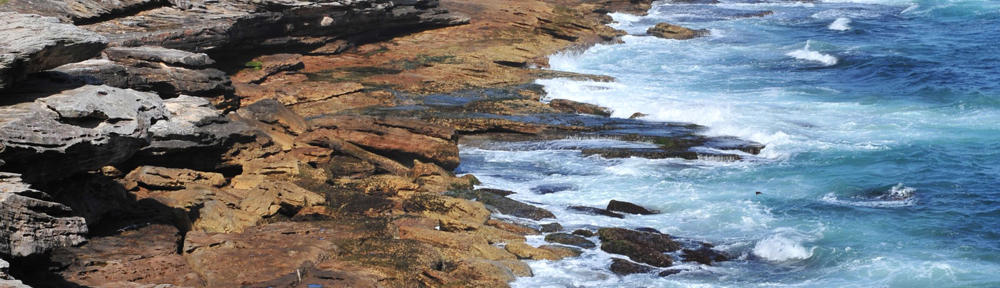
Die ausgesetzte K?stenstra?e f?hrt uns durch eine wilde und bizarre Fjordlandschaft, gepr?gt von Erosion, gespalteten Felsen und Klippen. Dann im Kontrast sanfte Buchten mit wei?en Sandstr?nden, die es von der Sch?nheit her jederzeit mit tropischen Str?nden aufnehmen k?nnen. In vielen Buchten an der Eismeerk?ste entlang treffen wir auf ?Geisterd?rfer?. Seit die neue Stra?e hierher fertig ist, verlassen immer mehr Bewohner diese unwirtliche Region.

Eismeerstrand
Nun geht?s in den ?stlichen Teil der Varanger-Halbinsel. Wir fahren auf der E 75, die in Vardoe endet (der Beginn der Europastra?e 75 ist ?brigens auf Kreta). Vardoe liegt auf einer Insel und ist durch einen 2,9 Kilometer langen unterseeischen Tunnel mit dem Festland verbunden. An seiner tiefsten Stelle misst er 88 Meter unter der Meeresoberfl?che. In Vardoe leben derzeit noch ca. 320 Einwohner. Auch hier ziehen immer mehr Menschen aus der Region weg. Als die Regierung 2001 ank?ndigte, sie wolle den Flughafen und die Seefunkstation dicht machen, setzten sich die Einwohner von Vardoe zur Wehr. Es g?be keine Flugambulanz mehr. Die n?chste Klinik ist f?nf Fahrstunden mit dem Auto entfernt. Der Stadtrat trat geschlossen zur?ck und ?bergab aus Protest seine Gesch?fte der Regierung im 2500 Kilometer entfernten Oslo. Aus dem ganzen Lande reisten Fernsehteams an. Erschrocken schickte der Regierungschef einen Staatssekret?r nach Vardoe. Die Politiker aus dem S?den hielten die Seefunkstation mit dem Namen ? Vardoe Radio? f?r einen lokalen Musiksender. Flughafen und Seefunkstation durften bleiben und zus?tzlich verschaffte die Regierung den ?Rebellen? 30 neue Arbeitspl?tze. Eine Abteilung der nationalen Arbeitsaufsichtsbeh?rden wurde in das kleine Fischerdorf verlegt. Wir lassen uns von Mauri mit einem kleinen Boot vom Vardoer Hafen zur nahe gelegenen Vogelinsel Hornoya bringen und vereinbaren mit ihm, dass er uns in ca. 4 Stunden wieder abholt. Der L?rm der 120 000 V?gelpaare ist schon von weitem zu h?ren. Sobald wir die F??e auf das Eiland setzen, schl?gt uns ein scharfer Geruch entgegen. Wir passieren den ersten H?gel und schon ist uns klar was die Ursache dieses Gestankes ist. Meterhohe T?rme von Exkrementen. Die mitgebrachte Brotzeit lassen wir im Rucksack. Wir versp?ren den ganzen Nachmittag keinen Appetit. Der Weg f?hrt quer um den Vogelfelsen herum und dann zum Leuchtturm hinauf. Die V?gel fliegen in geringen Abst?nden ?ber unsere K?pfe hinweg. Immer wieder ziehen wir diese erschrocken ein.
Tausende von V?geln starten und landen gleichzeitig an oder aus der Felsenwand ohne miteinander zu kollidieren.

... ah so geht das, kleiner Papageientaucher in der Flugschule
Verschiedenste Arten von V?gel bewohnen die Vogelinsel. Neben Kormoranen, Trottellummen und mehreren M?wenarten, stellen die Papageientaucher das Gro?heer auf der Insel. Ihre lustigen Bewegungen und ihr gro?er bunter Schnabel geben ihnen ein clownhaftes Aussehen. Ja sie sind sogar ausgezeichnete Fotomodels. Wenn ein Papageientaucher merkt, dass er fotografiert wird, dann stellt er sich erst recht in Pose. So kommt es uns zumindest vor. Die machen das wirklich profihaft.

... Mahlzeit
Einige Teile der Insel sind bis August gesperrt, da jetzt Brutzeit ist. Deshalb bewegen wir uns nur auf den markierten Wegen. Und nun passiert es. Wir hofften beide, dass es nicht eintreten w?rde. Raimund geht voraus und wird urpl?tzlich seitlich von einer M?we attackiert. Die M?we dreht, kommt zur?ck, stellt Ihre ??ffnung? quer zu Raimunds Haupt und dr?ckt zielgenau ab. Volltreffer !!! ?ber die Glatze, ins Genick und den ganzen Pullover runter l?uft eine unglaublich stinkende Fl?ssigkeit. Das war Ma?arbeit. Besser kann ein Kampfpilot mit seiner hochmodernen Elektronik seine Rakete auch nicht im Ziel platzieren. Das war noch nicht alles. Die M?we kommt erneut zur?ck und attackiert nun uns beide mit ihrem spitzen Schnabel. Wir treten sofort den R?ckzug an und bringen uns in Sicherheit. Aus der Ferne sehen wir nun mit dem Fernglas, was wir vorher nicht wussten. Ihr Junges ist auf den Weg zum Leuchtturm gelandet und kam pl?tzlich nicht mehr weg. Sie wollte das Kleine nur sch?tzen. Von weiten sehen wir Mauri mit dem Boot schon kommen und machen uns unverz?glich auf den Weg zum Landesteg. Den Abend verbringen wir mit Reinigungsarbeiten an K?rper und Kleidung. Alles wird gr?ndlichst gewaschen .Eine kleine Stra?e f?hrt uns nochmals ca. 40 Kilometer weiter nordw?rts in das verlassene Fischerdorf Hamningberg wo die Stra?e endet.

... Rentiere am Strand von Hamningberg
Einst lebten hier w?hrend der Fischerei-Saison 6000 Menschen. Heute ist das Dorf unbewohnt. Nur in den Sommermonaten kommt ein wenig Leben zur?ck, wenn die Besitzer der Ferienh?user ihren Urlaub hier verbringen. Etwas au?erhalb des Ortes errichten wir unser Nachtlager. Gegen Abend, als wir am Strand noch nach Muscheln suchen, sehen wir in ca. 200 m Entfernung ungef?hr f?nfzig Belugawalle vorbei schwimmen. Das ganze wiederholt sich eine halbe Stunde sp?ter in umgekehrter Richtung. Wir sind vor Begeisterung ganz happy.

... Belugawale vor Hamningberg
Nach zwei Tagen treffen wir in Kirkenes ein, die letzte Stadt vor der russischen Grenze. Auf einem Schild lesen wir ? M?nchen 4443 Kilometer?. Im Hafen stehen alte mit Rost ?berzogene Fischkutter deren zerfetzte russische Flaggen im Wind wehen. Russland ist nicht mehr weit. Knappe 20 Kilometer sind es noch bis zum Grenz?bergang. Wir decken uns mit Lebensmittel ein und gehen anschlie?end auf den ?rtlichen Campingplatz, um wieder mal richtig zu duschen und W?sche zu waschen. Unser Ziel f?r die n?chsten Tage ist ein kleines Dorf, namens Grense Jakobselv, welches direkt an der russischen Grenze am Eismeer liegt. Ein letztes Mal fahren wir zum Eismeer hoch, mit der Hoffnung, dass wir noch einmal bei wolkenlosem Himmel die Mitternachtssonne sehen k?nnen.

...Heiligenschein oder scheinheilig?
Einige Hundert Meter vor der Grenzstation Storskog, Norwegens einziger offizieller Grenz?bergang nach Russland, geht?s links die Stra?e nach Grense Jakobselv weg. Wir sind ?berrascht, dass uns so viele Fahrzeuge entgegen kommen. Denn hier gibt es nichts, au?er einer Kapelle, einem alten Pfarrhaus und ein paar H?user. Heute ist Sonntag und ein Ausflug in diese abgelegene Ecke lohnt sich allemal.

... Doppelsitzer WC, gesehen im alten Pfarrhof von Grense Jakobselv
An der Eismeerk?ste finden wir f?r die n?chsten drei Tage einen Standplatz mit herrlicher Aussicht zum Meer. Wir machen kleine Wanderungen an der K?ste und am Flu? entlang ( in der Flussmitte ist der Grenzverlauf). Ich versuche mein Gl?ck wieder mal beim Angeln um Michaela mit einem sch?nen grossen Fisch zu ?berraschen. Ohne Erfolg!

... Raimund beim Angeln
Das Wetter ist durchwachsen. Mal peitscht uns der Wind den Regen ins Gesicht, dann sitzen wir wieder Stunden in der Sonne. Nirgends ist Norwegen deutscher als hier oben am Eismeer. Am letzten Abend sitzen wir in Lissis und Dieters ?Werkstattwagen? ein Mercedes 608D, Baujahr 1977,gem?tlich zusammen und genie?en einfach den Moment. Werkstattwagen nennen wir ihn deshalb, weil Dieter in seinem selbstausgebauten ?Motorhome? mehr Werkzeug und Ersatzteile mitf?hrt, als so manche Werkstatt besitzt. Die beiden sympathischen Weltenbummler kommen ?brigens aus D?sseldorf. Horst, ein 70 j?hriger Pinneberger der mit seinem Wohnmobil alleine in Norwegen unterwegs ist, gesellt sich ebenfalls dazu. Jeder bringt seine letzten Alkoholika mit und es wird ein lustiger und geselligen Abend.

... geselliger Abend in Lissis und Dieters "Wohnzimmer"
Die Gasheizung pullert denn drau?en bl?st eine steife Brise von der See her. Horst erz?hlt so manch lustige Anekdote aus seinem ereignisreichen Seemannsleben. Wir sitzen bis 2.00 Uhr morgens zusammen. Dann l?sst der Wind nach und der Himmel lockert auf. Wir klettern gemeinsam auf die Felsen die sich am Strand erheben und bewundern die Natur im Glanz der leuchtenden Mitternachtssonne. Anschlie?end verkriechen wir uns in unsere Betten. Am n?chsten Vormittag fahren wir zur?ck nach Kirkenes. Lissi, Dieter und wir beschlie?en die n?chsten 550 Kilometer von Kirkenes bis zum Bottnischen Meeresbusen gemeinsam zu fahren. Die finnische Grenze ist nicht mehr weit. Die waldlose Gegend lassen wir hinter uns. Je weiter wir nach S?den kommen umso dichter werden die W?lder. An einem See schlagen wir unser Nachtlager auf.

... einer von tausend Seen
Das Ganze ist schon fast ein Ritual. Fahrzeuge gerade stellen, alles herrichten f?r die Nacht, Holz sammeln, Feuer machen und dann geht?s zum gem?tlichen Teil ?ber.

... Nachtlager am Inari-See
Das abendliche Sitzen am Lagerfeuer ist meist der t?gliche H?hepunkt. Oft ist es weit nach Mitternacht bis wir dann rauchig in unsere ?Federn? fallen. Heute gibt es zum ersten Mal Schwammerl (Pilze) aus den umliegenden W?ldern. Waldtraud und Rudolf aus Berlin gesellen sich auch noch dazu. So bekommt jeder eine Gabel und wir essen zu sechst aus der Pilzpfanne. Pilze gibt es in den kommenden Tagen reichlich. Hier haben wir etwas mehr Gl?ck als beim Angeln.

... reichlich Schwammerl
Tags?ber Kilometer abspulen, durch dichte W?lder und an Seen vorbei. Abends wird dann meist an Seen oder Fl?ssen campiert. So geht es die n?chsten Tage weiter.

... Nachtlager am Inari-See (heiliger See der Samen)
Kurz vor Rovanniemi halten wir am Polarkreis. Hier wohnt auch der Weihnachtsmann. Ja, der echte. Er hat sogar ein eigenes Postamt und beantwortet mit seinen Wichteln j?hrlich ?ber 500 000 Brief an Kinder in aller Welt. Was die wenigsten wissen: Der hauptberufliche Weihnachtsmann, wohnt in Rovanniemi, ist verheiratet und hat drei Kinder. ?brigens, auf Finnisch hei?t Weihnachtsmann ? Joulupukki. Zur?ck in der Dunkelheit. Die erste Nacht s?dlich des Polarkreises. Seit langem ist es die erste Nacht in der es f?r einige wenige Stunden wieder dunkel wird. Wir h?tten nicht geglaubt, dass dies so schnell geht. Am Bottnischen Meeresbusen angekommen verbringen wir gemeinsam noch zwei Tage am Meer miteinander.

... Nachtlager am Kemijoki, rechts Lissis und Dieters weinrotes "Werkstatt- und Wohnmobil"
Den letzten Tag gehen wir auf einen Campingplatz um zu Waschen und zu Duschen, denn daf?r wird es langsam wieder mal Zeit. Dieter der eigentlich als Schraubenschl?ssel auf die Welt h?tte kommen sollen, sucht schon seit Wochen nach einem ?Opfer? welches er mit seiner fahrbaren Werkstaat helfen kann. Endlich findet er jemand. Unserem Standplatz gegen?ber ist ein junger Schwede der verzweifelt ein paar Kilo frischen Teer aus den Radl?ufen und dem Reifenprofil seines Wagens kratzt. Dieter steht sofort bei ihm und bietet seine Hilfe an. In seinem selbstausgebautem Mercedes findet man von Dichtungen, Spezialschrauben bis hin zu Sonderwerkzeug alles. Dieter ist nicht nur ein begnadeter Schrauber sondern auch ein genialer Erfinder. Den VW K?fer eines Brasilianischen P?rchens hatte er mal unterwegs zu einem Wohnmobil umfunktioniert. Der hilfsbereite 65j?hrige hat bei seinen Reisen in Asien, Nord- u. S?damerika schon so manchem verzweifelten Globetrotter weitergeholfen. Selbst in Missionsstationen hat er monatelang sein handwerkliches K?nnen zur Verf?gung gestellt. Viele daraus entstandene Freundschaften bestehen heute noch immer, obwohl ihre Reisen schon einige Jahrzehnte her sind. Nicht selten bekommen sie Besuch aus aller Welt, erz?hlen uns die beiden D?sseldorfer. Wenn man ihren Erz?hlungen lauscht, steigt das Fernweh-Thermometer in den roten Bereich. Am letzten Abend gibt es noch mal Pilze, denn in den umliegenden W?ldern braucht man diese nicht suchen, sondern nur abschneiden. Wirklich wahr !!! Lissi und Michaela spielen eine Runde Federball, w?hrend Dieter und ich uns bei ?Dick und Doof? vor dem Laptop vergn?gen.

... Dieter und Raimund vergnuegen sich bei "Dick und Doof"
Es waren tolle Tage und Abende am Lagerfeuer mit Ihnen. Die Zeit verging viel zu schnell. Nach acht gemeinsam verbrachten Tagen f?llt uns die Trennung nicht leicht. Wir m?ssen alle weiter. Lissi und Dieter fahren weiter ?ber Schweden nach Deutschland. Wir bleiben in Finnland und sind auf dem Weg zu Matti und Elsa nach Oulainen. Matti und Elsa sind die Eltern unserer finnischen Freundin Liisa, die in M?nchen lebt.

Nun dies wars wieder mal, bis demnächst.
Viele Grüße aus dem Land der tausend (Mücken)Seen
Michaela und RaimundWe are still in the country of Lapland (Sapmi), which is a part of Norway, Sweden, Finland and the Russian Kola Peninsula. We drive from Norway to Sweden, from Sweden to Finland, from Finland to Norway again and that all in three days. Here in the North the border of this three countries are like criss cross, sometimes we don?t even know where we are right now.
See picture in German Version ? a Sami woman
Just on the bigger roads you find signs which tell us, that this is the border. Since a long time there are no more border controls at the barriers. We even gave it up to drive according to our roadmaps. The town signs are bilingual (Samisch and Norwegian/ Swedish or finish) but in the road maps there is standing a third variety. We drive along small settlements of huts and wooden houses. To call them ?villages? would be to much. Mostly they have such exotic names like Aissaroaivi or Beaivvaasgieddi. .
See picture in German version ? near Aissaroaivi
From now on we have much respect for the people living here in the middle of the forests of Lapland. Since one week we are now back again in the forests. First of all we thought: Oh how great, thousands of wonderful places to camp in the wilderness. No where any people around us. No wonder, because this country is so big, that the few tourists which are coming to the North are kind of disappear. We find a wonderful place just for us alone but five minutes later we are gone with the wind. Why, what happened? I am gone to pee, sorry normally I would not go so much into details, but here it is important, and while I am peeing three mosquito?s have been stung me on my ?backside? and at the same time about a dozen try to land on my face. Something like that I never have had in my live, not even in Thailand I had the experience, apart from the evenings but not during the daytime. Now I know, what people mean, when they say, that the inner part of Scandinavia belongs to a bloodsucking beast. But nevertheless we still have to stay in this forests, since it is still a few hunderts of kilometres to drive to the coast. And now comes the best! We have entirely shut the bus, as well the mosquito nets but it seems, that for this amount of mosquito?s even this is not enough. In the beginning we kill one after the other, but after a while we don?t have the nerves for it anymore. Next morning we wake up with about 40 mosquito?s inside the bus. The dead ones are still stuck to the windows as a kind of deterrence, but it did not work. We leave the place like a thunderstorm and drive until there is more wind around our noses because it seems that this is the only thing which the mosquito?s does not like at all. In the next bigger town we buy another mosquito net and meters of Velcro. No wonder that you can get this things easily, not even the natives like the mosquito?s. As well the reindeer are during the summer month up in the north at the coastlines, directly on the beaches.
See picture in German version? Mosquito free zone
But it?s funny, that when you talk to other tourists about mosquito?s, they pretend not to be bothered at all by them and they always just say: ?Well, you get used to it? Either they are just travelling along the coastline or they want to be cool. Funny enough that this people, which are trying to be most cool they have a kind of leprosy or are this maybe scratched mosquito stitches?
See picture in German version ? not even the mosquito?s can do something about, that we enjoy every minute here
We come back onto the road E 6 in Alta, the caravan way of the North cape driver and are part of the convoy of the motor homes, of which thousands of them are here during the summer month. To enter the most northern point, you have to pay an entrance fee. We do not even think about doing this stretch and therefore we save ourselves over 80 Euros (Entrance fee and toll for the undersea tunnel to the North cape) In Skaidi we drive to the left, direction Hammerfest. Shortly before the city of Hammerfest, there stands a model of a huge ice bear to tell everybody ?Hammerfest, the most northern city of the world? In Hammerfest, not a really nice city, we just stay for a short time. But it is interesting to sea all over reindeer. In front of shops, petrol stations and very often they even block the rush hour traffic.
See picture in German version ? Hammerfest
Near of Kvalsund we find a wonderful place to stay with a terrific view over the Fjord, where we stay a couple of days, especially to fix our new anti mosquito system. We go further through the sub-arctic landscape of the Northkinn peninsula on which a few fishing villages lie on a fissured coastline. But before that we come through a grey stone desert and this landscape has it?s own attraction. No trees to be found, no green colour at all. But if you look more close to the rocks, you realize the beauty of nature. Lichen!!! In all different colours, models and sizes.
See picture in German version ? lichen
See picture in German version ? in all colours and models
Shortly before midnight, in another ?darkless? night, we reach Mehamn, which lies directly at Sorfjorden. A simple fisher village, from which you find a lot of them here in the North. Who ever wants to see the typical construction style of North Norway will be disappointed. Russian and Norwegian troops drove out the occupying power of the Germans in autumn 1944 and nearly all of the settlements in North Norway were destroyed by the ?Politics of the burned earth?.
The street lead us another 20 km North till Slettnes tyr, where there stands the most northern mainland lighthouse of the world at 71? 05? 33?? N. The lighthouse is situated 550 km north of the polar circle and at the same latitude as the northernmost point of Alaska. We are right at the coast, covered with a few layers of pullover and jackets and watch the sun as she moves along the horizon of the Arctic ocean. Then some clouds cover the sun and the wind gets cooler. We go back to the bus in our warm beds and fall asleep immediately after a long day, till the heat of the sun wake us up again. It is already lunchtime.
See picture in German version 71? 05? 33?? N lighthouse of Slettnes
In the East of Slettness tyr lies the Varanger peninsula with the village called Berlevag. Bee line between this two settlements is just 45 km, where in-between is just the sea. To go with the car from one to the other village you have to go to Tana Bru and then crosswise over the Varanger peninsula altogether about 350 km. With that kind of streets you need for this stretch about 1 ? day. Well, time we have enough. The second possibility would be by the Hurtigruten post ship, which comes every evening at 8 pm to Mehamn and goes northbound to Berlevag. The crossing takes about 2 ? hours. We calculate which way would be cheaper for us. To go by ferry or to go by car. We don?t have to much of petrol anymore so we definitely have to go first of all to a petrol station. There are two of them here. One is out of order, the other opens ?maybe? on Monday again. So the decision is already taken out of our hands. We take the Hurtigruten to Berlevag. On the waves you can see foam. Sailors speak about rough sea. It is so foggy that we can?t even sea the coastline which is just 1 km far away. The weather don?t change even on the next day. That?s the time when our ?Mobile VW-Bus cinema? comes to action again. We look at DVD?s which we can play on our laptop. Next day the weather has changed. It is a real warm Summer day.
See picture in German version ? Berlevag
The street along the coastline leads us through a bizarre Fjord landscape, which is formed from erosion, cracked rocks and cliffs. Then in contrast we can see bays with wonderful white sand beaches, which easily can coop with the beauty of tropical beaches. In a lot of this bays along the arctic ocean we see ?Ghost villages?. Since the new street construction have been finished more and more people leave their home villages since this is a very inhospitable region.
See picture in German version ? Arctic ocean beach
Now we are coming to the east part of the Varanger peninsula. We drive the E 75, which ends in Vardoe (by the way, the beginning of the Europe street 75 starts on Crete) Vardoe lies on an island and is connected by a 2,9 km undersea tunnel with the mainland. The deepest point is 88 meters under sea level. There are nowadays living about 320 inhabitants on Vardoe. As well in Vardoe lots of people left, to live more south. As in 2001 the government of Norway announced the closing of the airport and the sea radio station, the inhabitants of Vardoe defended themselves. There would have been no more a helicopter ambulance. The next hospital to be reached is in Kirkeness, five hours by car. The town councillor resigned and gave business to the government to the 2500 km far away Oslo. From all over Norway TV camera teams came to Vardoe. The startled state chancellor of Norway did send a state secretary to Vardoe. The politician from the south thought, that the sea radio station with the name ?Vardoe Radio? is a local music station. Airport and sea radio station could stay in the end and even 30 more working places have been developed. A department for national working supervisory body have been moved to Vardoe.
From Mauri we let us bring with a small motorboat to the nearby bird island Hornoya and we arrange that he picks us up 4 hours later. The noise of the 120 000 bird couples is to hear already from a long distance. In that moment we step on the island there is an incredible smell. We pass the first hill and we know now why the smell is so bad. Towers of fecales of the birds. We leave the meal in our backpack, which we brought along with us. We don?t feel like eating at all. The pathway leads us crisscross passed the bird rock towards the lighthouse. The birds are flying in short distances over our heads. Very often we duck our heads. Thousands of birds are starting and landing at the same time from the rock without any collisions
See picture in German version ?ah, like this I have to fly, a small puffin at his flying school
All different kind of birds are living here on the bird islands. Next to cormorant, guillemot and different kind of seagulls most of the birds are puffins. Their real funny way of moving and their big coloured beak let them look like clowns. And, yes they are terrific photo models. In that moment a puffin realize that someone takes a picture of him, he poses. At least we have the feeling that they know. Very well done!
See picture in German version ? puffin
Some part of the islands are closed till the month of August, since the birds are breading. That?s the reason we do not leave the pathways. And now it happens. We both hoped, that it would not happen. Raimund walks in front of me and then he is attacked by a seagull. The seagull comes back and faces with her backside Raimunds head. Bulls eye!! Over his bald head, the neck and his pullover runs a stinky liquid. That was a neat peace of work. Not even a fighting pilot with a lot of electronic could have done better. But this was not all. The seagull comes back and attacks us with her sharp beak. Right away we move backwards out of her way. With binoculars we see know, why she attacked us so hardly. On the pathway to the lighthouse their was sitting her baby after the first flight lesson and could not move any more further. She just wanted to protect her little baby. We go back to the boat which we see already coming. The evening we spend cleaning bodies and clothes. A small street leads us about 40 km more northbound to a fishing village called Hamningberg and here the street ends.
See picture in German version? Hamningberg
Long time ago during fishing season over 6000 people used to life here. Today, the village is uninhabited. Just during the Summer month there is life again, when the owner of the holiday cottages are back to spend their vacation here. A view km outside of Hamningberg we find a wonderful place to stay for the night. In the evening, as we walk along the beach to collect shells, we can watch in 200 m distance about 50 beluga whales. We are really happy after this experience.
See picture in German version? Beluga whales at Hamningberg
After two more days we reach Kirkenes, the last town before the Russian border. On a sign we can read ? Munich 4443 km?. In the harbour a lot of Russian ships with lot of rust on it are anchored here. The Russian flags are blowing in the wind. Russia is not far away! There are just 20 km left to the border itself. We buy some groceries and drive to a nearby campground to take a shower and wash our clothes. Our destiny for the next days is a small village, named Grense Jakoselv, which lies directly at the Russian border. This will be our last time at the arctic ocean and we hope that we will have the chance to see a last time the midnight sun on a cloudless night
See picture in German version ? aureole or hypocritical?
A few hundred meters before the border Storskog, Norwegians only official border to Russia, the street turns left towards Grense Jakobselv. We are surprised that so many cars come to meet us. Because there is nothing else in that village then a chapel, a vicarage and a few empty houses. But today is Sunday and it is definitely worth a trip out here.
See picture in German version ? double seater WC, in the old vicarage at Grense Jakobselv
At the arctic ocean we find a wonderful place for the next three days to camp with terrific view over the ocean. We do small hikings along the coast and the river (in the middle of the river is the borderline to Russia. I try again to catch some fish and surprise Michaela with it, but unfortunately I am not successful.
See picture in German version ? Raimund is fishing
The weather changes a lot. Sometimes we get free showers from the rain, sometimes we sit endless hours in the sun. Nowhere is Norway more German then on the arctic Ocean. On the last day we sit comfortable together in Lissi and Dieters ?Repair truck?, a Mercedes 608D, building year 1977 and just enjoy the moment. We call it repair truck, because Dieter has in his self-made motor home more repairing gear then some of the garages would have. The nice globetrotter are living in D?sseldorf. Horst, a 70 year old man from Pinneberg, who drive alone through Norway, comes as well to sit with us. Everybody of us brings their last bit of alcohol with and it is becoming a real funny evening.
See picture in German version ? great evening in Lissis and Dieters ?living room?
The stationary heating is on since outside it is really cold. Horst tells us a lot of great stories from his time being sailor on several ocean going ships. We sit together till about 2 am and then ? the wind stopped in the meanwhile and the clouds are nearly all gone ? we walk together up to the cliffs and enjoy the marvellous view over the ocean with it?s colourful midnight sun. Then we finally go to bed. Next morning we drive back to Kirkenes. Lissi, Dieter and we decide to drive together the next 550 km towards the Gulf of Bothnia. The border to Finland is not far. We leave behind the forestless area and so more we come into Finland so more forested areas we see. At a lake we stay for another night
See picture in German version ? one of thousand lakes
It becomes a ritual. Motor homes in position, change things for the night, collecting wood, burn a fire and then the easy going life is starting.
See picture in German version?first of all comes the work
Sitting on the evenings at the campfire is the daily highlight. Mostly it is long after midnight that we find our way into our beds, smoked and tired. Today we have the first time mushrooms, picked ourselves from the forests. Waltraud and Rudolf from Berlin are joining us and so everybody just gets a fork and we all eat from the pan full of mushrooms. Well we will have mushrooms the next days more than enough. Here we certainly are more successful then with fishing.
See picture in German version ? lots of mushrooms
Every day we drive kilometre after kilometre through endless forests and lakes. In the evening we camp either at lakes or rivers. This is our schedule for the next days.
See picture in German version ?Camp at the Inari-See (holy lake of the Samis)
Shortly before Rovanniemi we stop at the polar circle. Here the Santa Claus is living. Yes, the real one. He has an own post office and answers together with his helpers year after year about 500 000 letters to all children all over the world. Most of the people don?t know the following: The Santa Claus lives in Rovanniemi, is married and has three children. By the way in the finish language Santa Claus is called Joulupukki. We are back to darkness. It is our first night south of the polar circle. It is the first night that it gets dark again, at least for a few hours per night. We did not thought, that it will be dark so soon. Back at the Gulf of Bothnia we stay together a couple more days.
See picture in German version ? Our night camp at Kemijoki, on the right side Lissis and Dieters red ?Motor home and Repair truck
The last day we camp on a campground so that we can take a shower and more necessarily wash clothes. Dieter, who actually should have been born as a screwdriver, at least found someone who needed his help. Next to us is a Swedish guy who was stucked in fresh tar. Now all over the tyres was fresh tar, which is hard to remove. Dieter is going right away to him and offers help. In his self-made motor home one can find from screws over special tools all kind of things Dieter is not only a superb mechanic as well a fantastic inventor. The VW K?fer of a couple in Brasilia he onetime did change into a functioned motor home. The sympathic 65 year old man is always ready to help. In the time when Lissi and Dieter travelled through Asia, North- and Southamerika he could help quiet often other travellers who where stucked with their motor homes. Even in mission stations he always offered his help for all kind of work. A lot of friendships have turned out of this time and they get still quiet regularly visits from all over the world. When you listen to the two, the wanderlust is getting up high into the red temperature. On our last evening together,r we eat once again mushrooms which we just picked in the nearby forests. There are plenty of them that you even don?t have to search for them just harvest them. Lissi and Michaela are playing a round of badminton, while Dieter and I are watching ?Dick and Doof? on the laptop.
See picture in German version ? Dieter and Raimund enjoy watching ?Dick and Doof?
This was a great time together with Dieter and Lissi. Time passed much to quick. After eight days together we are really sad to leave them. But Lissi and Dieter are going over Sweden back to Germany while we are on the way to Elsa and Matti in Oulainen. Elsa and Matti are the parents of our Finnish friend Liisa, which- as you know by now – lives in Munich.
Ok, that was it for now,
See picture in German version ?
Lots of greeting from the country of the thousands (mosquito)lakes.
Michaela und Raimund